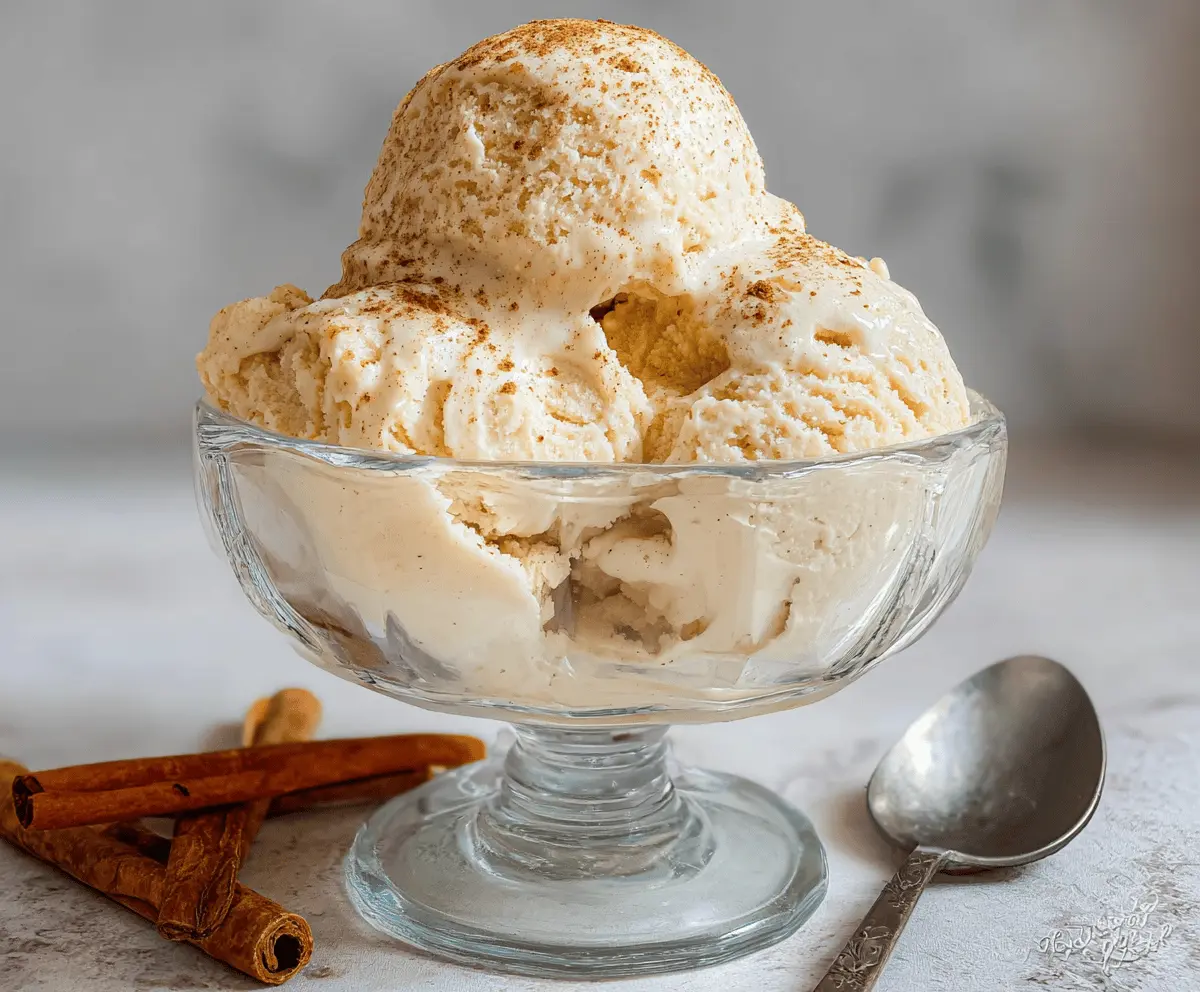
Achieve Super Creamy Eggnog Ice Cream with This Simple Trick
There's something undeniably magical about homemade eggnog ice cream. It captures the essence of the holiday season in a single scoop, delivering a rich, spiced, and utterly delightful experience that tastes like Christmas in a bowl. While many aspire to create this festive treat at home, the quest for that perfectly smooth, luxuriously creamy texture can often feel elusive. No one wants an icy, grainy dessert when they're dreaming of a velvety indulgence.
The good news? Achieving super creamy eggnog ice cream isn't a mystical art reserved for professional chefs. In fact, there’s a straightforward, fundamental technique that stands as the cornerstone of most superior ice cream recipes: mastering the custard base. And within that custard base lies our "simple trick" – a method that elevates your homemade ice cream from good to absolutely unforgettable. Get ready to impress your guests and satisfy your own holiday cravings with a batch of eggnog ice cream so smooth, it practically melts on your tongue.
The Secret to Unforgettable Creaminess: Mastering the Custard Base
At the heart of any truly spectacular ice cream, especially one as rich as eggnog, is a meticulously prepared custard base. Unlike simpler no-churn recipes that rely heavily on sweetened condensed milk or whipped cream, a custard-based ice cream leverages the power of egg yolks to create an incomparably smooth, dense, and melt-in-your-mouth texture. Egg yolks are natural emulsifiers and thickeners, lending a luxurious mouthfeel that prevents ice crystals from forming, which is the bane of many homemade ice creams.
The Simple Trick: Tempering Egg Yolks Like a Pro
Here it is – the technique that makes all the difference: tempering egg yolks. This crucial step prevents your eggs from scrambling when they meet the hot dairy mixture, ensuring a silken, homogenous custard. It's not as intimidating as it sounds, and once you master it, you'll be able to create an array of custard-based desserts with confidence.
- Step 1: Gently Heat Your Dairy. In a medium saucepan, combine your whole milk, heavy cream, and about half of your granulated sugar. Heat this mixture over medium heat, stirring occasionally, until it's hot and steamy, but crucially, not boiling. You'll see small bubbles forming around the edges. This gentle heat helps to warm the yolks gradually in the next step.
- Step 2: Whisk Your Yolks and Sugar. In a separate, heat-proof bowl, whisk together your egg yolks with the remaining granulated sugar until the mixture becomes pale yellow and slightly thickened. This process helps to break down the proteins in the yolks and prime them for the tempering process.
- Step 3: The Slow Drip (Tempering). This is where the magic happens. Slowly, gradually, and with constant whisking, drizzle about a cup of the hot milk mixture into your egg yolk mixture. The key here is *slowly* and *constantly whisking*. This raises the temperature of the egg yolks incrementally without cooking them, essentially "training" them to accept the heat.
- Step 4: Combine and Cook. Once tempered, pour the entire yolk mixture back into the saucepan with the remaining hot milk and cream. Continue to cook over medium-low heat, stirring constantly with a spatula or wooden spoon, until the custard thickens enough to coat the back of a spoon. If you run your finger across the spoon, it should leave a clear path. Be patient – this can take 5-10 minutes. Avoid letting it boil, as this can still curdle the eggs.
Taking your time with this tempering process ensures that your eggnog ice cream base is smooth, creamy, and free of any scrambled bits. It's the foundation for that rich, velvety texture you're dreaming of, making it the most impactful "simple trick" in your ice cream arsenal.
Crafting the Perfect Eggnog Ice Cream Base: Key Ingredients & Smart Substitutions
Beyond the technique, the quality and type of your ingredients play a significant role in the final texture and flavor of your eggnog ice cream. Here’s a detailed look at each component and how to make the best choices for a truly exceptional scoop.
- Whole Milk: The backbone of your dairy base. Whole milk offers a good balance of fat and liquid, contributing to the overall creaminess.
- Substitution Insight: While 2% milk can be used for a lighter option, be prepared for a slightly less rich and creamy result. Skim milk is generally not recommended as it will lead to an icy texture.
- Heavy Cream: This is where a significant portion of your ice cream's richness comes from. Heavy cream (or whipping cream, which is essentially the same) has a high-fat content (typically 36% or more), which translates directly to a smoother, less icy texture.
- Substitution Insight: Half-and-half can be used for a lower-fat alternative, but it will noticeably reduce the creamy indulgence. For a dairy-free option, full-fat coconut cream can create a lovely texture, though it will impart a subtle coconut flavor that might alter the traditional eggnog profile.
- Granulated Sugar: Provides essential sweetness. Sugar isn't just for taste; it also lowers the freezing point of the mixture, contributing to a softer, scoopable ice cream.
- Substitution Insight: Brown sugar can add a deeper, caramel-like note, enhancing the holiday spice profile. For those monitoring sugar intake, certain sugar substitutes can work, but always check their baking properties, as some don't behave the same way in freezing applications and might affect texture.
- Egg Yolks: As discussed, these are the unsung heroes of creaminess and emulsification. They provide richness, body, and prevent ice crystals.
- Substitution Insight: For an egg-free version, some recipes use cornstarch or arrowroot powder as a thickener. While these can provide some body, they won't replicate the exact luscious texture and emulsifying properties of egg yolks.
- Eggnog: The star flavor! Whether you opt for store-bought or homemade, choose a high-quality eggnog. The flavor of your eggnog will shine through, so don't compromise here.
- Tip: If using a very plain store-bought eggnog, consider adding a little extra ground nutmeg, a pinch of cinnamon, or even a tiny splash of rum extract to bolster the flavor profile.
- Vanilla Extract: A crucial ingredient that enhances all the other flavors. Use pure vanilla extract for the best results.
- Insight: Vanilla's warm, sweet notes complement the spices in eggnog beautifully, adding depth and complexity.
- Ground Nutmeg: The quintessential eggnog spice. Freshly grated nutmeg offers a far superior aroma and flavor compared to pre-ground versions.
- Substitution Insight: A pinch of cinnamon can be a nice alternative or addition, but it will shift the flavor profile slightly. Allspice or a tiny hint of clove can also be interesting variations.
- Pinch of Salt: Don't skip this! A tiny bit of salt balances the sweetness and enhances all the other flavors, much like in baking.
- Optional Rum or Bourbon: For an authentic, grown-up eggnog flavor, 1-2 tablespoons of dark rum or bourbon can be a game-changer. Beyond flavor, alcohol also slightly lowers the freezing point, contributing to a softer texture.
Beyond the Basics: Elevating Your Eggnog Ice Cream Experience
While the core recipe yields fantastic results, there are always ways to personalize and elevate your eggnog ice cream to new heights. Consider these tips for a truly gourmet experience:
Flavor Variations & Add-ins:
- Citrus Zest: A touch of orange or lemon zest can brighten the heavy flavors of eggnog, adding a refreshing counterpoint.
- Gingerbread Crumble: Swirl in crushed gingerbread cookies or gingersnaps during the last few minutes of churning for a delightful texture and spicy kick.
- Caramel Swirl: A homemade caramel sauce or store-bought dulce de leche can be swirled in for an extra layer of decadence.
- Chocolate Chips: Mini chocolate chips or finely chopped dark chocolate can provide a pleasant textural contrast and a hint of bitterness.
Texture Tips for Optimal Creaminess:
- Chill Time is Crucial: After making your custard base, it's absolutely vital to chill it thoroughly in the refrigerator for at least 4 hours, or preferably overnight. This allows the flavors to meld, the base to thicken, and ensures it's cold enough for optimal churning. A warm base will result in an icy ice cream.
- Pre-freeze Your Ice Cream Maker Bowl: If using a compressor-less ice cream maker, ensure its bowl is completely frozen (usually 12-24 hours) before churning. This prevents the base from warming up too quickly.
- Don't Over-Churn: Churn until the ice cream reaches the consistency of soft-serve. Over-churning can lead to a less smooth texture.
- Proper Storage: Transfer your freshly churned ice cream to an airtight container immediately. Press a piece of parchment paper or plastic wrap directly onto the surface of the ice cream before sealing the container. This prevents air exposure and freezer burn, which can lead to ice crystals. Freeze for at least 4 hours for a firmer scoop.
Serving Suggestions:
While delicious on its own, eggnog ice cream truly shines when paired with other holiday delights:
- Spoon it warm apple pie, pecan pie, or pumpkin pie for an incredible hot-cold contrast.
- Serve alongside sugar cookies, shortbread, or gingerbread for a festive dessert plate.
- Create an adult eggnog float by adding a scoop to a glass of sparkling cider or even a splash of ginger ale.
- Top with a sprinkle of extra nutmeg, a dollop of whipped cream, or a drizzle of caramel sauce.
The Journey from Prep to Perfection: A Timeless Holiday Tradition
Making homemade eggnog ice cream is more than just following a recipe; it's an enjoyable process that culminates in a truly special holiday treat. While the total time from start to scoop can be around 8 hours, it's important to remember that most of this is passive chilling and freezing time. The active prep work—heating the dairy, whisking yolks, and tempering—takes a mere 15-20 minutes. This allows you to integrate the creation of this delightful dessert into your holiday preparations without feeling overwhelmed.
Embrace the aroma of spices filling your kitchen as you prepare the custard, anticipate the hum of your ice cream maker transforming liquid into creamy gold, and finally, savor the exquisite taste of your labor. This journey from simple ingredients to a luxurious dessert is part of what makes homemade treats so rewarding, turning a simple recipe into a cherished holiday tradition.
Conclusion
Achieving super creamy eggnog ice cream at home is not just possible, it’s remarkably straightforward once you understand the core principles, especially the art of tempering egg yolks. This fundamental technique, combined with a careful selection of quality ingredients and a bit of patience during chilling and freezing, will transform your holiday dessert table. Say goodbye to icy, bland ice cream and hello to a rich, smooth, and perfectly spiced scoop that embodies the festive spirit. So, go ahead, try this simple trick, and prepare to delight yourself and your loved ones with the ultimate homemade eggnog ice cream this season.
